
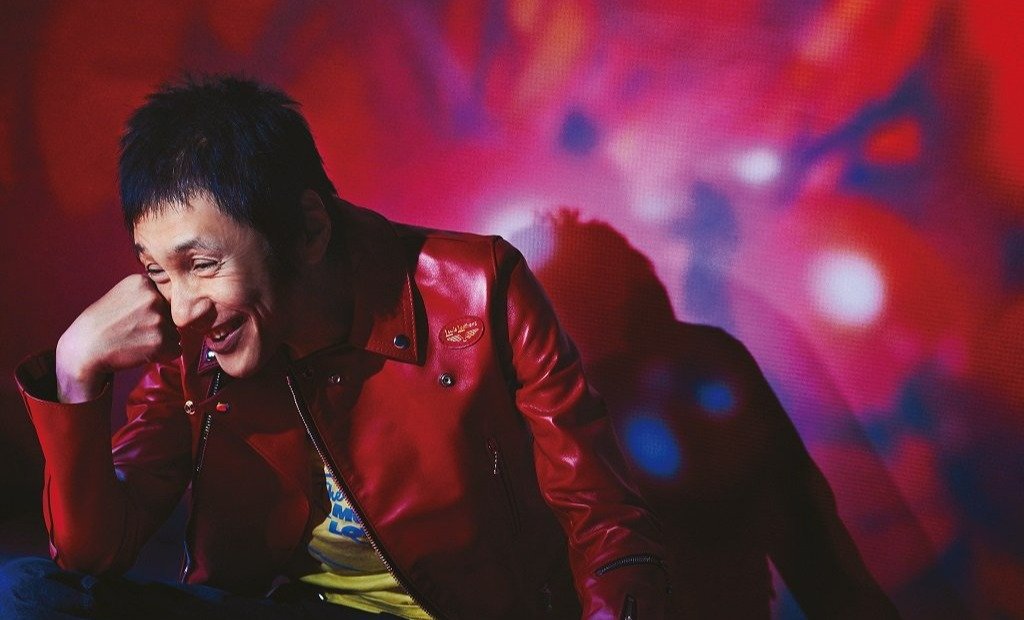
If you’ve ever been in a sweaty, basement-level dive bar in Shimokitazawa and felt the floor literally vibrate under your feet as "Linda Linda" blasted through the speakers, you’ve felt the ghost of 1985. But here’s the kicker: that ghost isn’t dead. He’s very much alive, likely out in a forest right now collecting rare beetles, and he’s still the most dangerous man in Japanese music.
The Man Who Rewrote the Punk Rulebook
Why is a man in his 60s still the definitive face of Japanese punk? It’s a strange contrast. Offstage, Hiroto Komoto is famously humble, a soft-spoken enthusiast of vintage blues records and tokusatsu (special-effects) heroes. He’s the kind of guy who would rather talk to you about his favorite insect than his platinum records.
But put a microphone in his hand, and the "insect collector" disappears. In his place stands a primal force of nature: a lean, manic performer who has fronted three of the most influential bands in the history of the archipelago. From the world-changing explosion of The Blue Hearts to the experimental groove of The High-Lows and the raw, "primitive" power of The Cro-Magnons, Komoto hasn't just survived four decades of the J-pop machine: illegally, he’s dominated it without ever changing his stripes.
Level 1: The Stimulation : That First "Linda Linda" Scream
Imagine it’s 1985. J-pop is dominated by polished idols and synth-heavy city pop. Then, four guys walk out looking like they haven't slept in a week, and the lead singer starts jumping like his shoes are on fire. When Hiroto Komoto first screamed the opening lines of "Linda Linda," it wasn't just a song; it was a reset button for the entire Japanese music industry.
The Blue Hearts didn’t care about being pretty. They cared about being real. Their lyrics were simple enough for a middle-schooler to understand but deep enough to make a salaryman weep on the train. Songs like "Train-Train" and "Hito ni Yasashiku" (Be Kind to People) became the blueprints for what we now call J-Punk.
Check out the energy for yourself in the official video:
THE BLUE HEARTS – Linda Linda (Official Video)
Level 2: The Curiosity : The "Stage Collapse" Legend
Have you ever played a show so hard the building physically gave up? During his tenure with The High-Lows (formed in 1995 after The Blue Hearts’ legendary breakup), Komoto was playing a school festival. The band’s energy was so volatile, and the crowd was jumping so violently in unison, that the stage floor actually collapsed.
Most singers would stop. Komoto? He just kept going. This is the "open loop" of his career: how can someone so polite and unassuming in interviews be the same person who causes structural damage to architecture just by singing?
Level 3: The Anticipation : From Blue Hearts to Cro-Magnons
When The Blue Hearts disbanded in 1995, fans were devastated. "Is this the end of the rebellion?" they asked. But Komoto and his lifelong partner-in-crime, guitarist Masatoshi Mashima, were already three steps ahead.
They formed The High-Lows, which took their punk roots and infused them with a more playful, groovy, and sometimes surreal pop-rock sensibility. It was a "zigzag" in their storytelling: instead of just repeating the 1987 formula, they evolved. Then, in 2006, they pivoted again, stripping everything back to the absolute bone with The Cro-Magnons.
The name says it all. They wanted to go back to the "primitive" era of rock: no overproduction, no gimmicks, just loud guitars and Komoto’s booming, gravelly voice. Every time critics think they’ve predicted his next move, he drops a track that sounds like it was recorded in a garage in 1964 and somehow makes it sound like the future.
Level 4: The Validation : The Living Legend Still Rocks
Today, Hiroto Komoto remains a titan. While many of his contemporaries have retired to "best-of" tours or judging reality shows, The Cro-Magnons are still putting out some of the most vital rock music in Japan. Their performance at Fuji Rock Festival is legendary: 15,000 people jumping so hard that reporters claimed it felt like a localized earthquake. And honestly, that’s what makes Hiroto feel less like a museum-piece legend and more like a shocked, adrenaline-spiking new discovery every time you hit play.
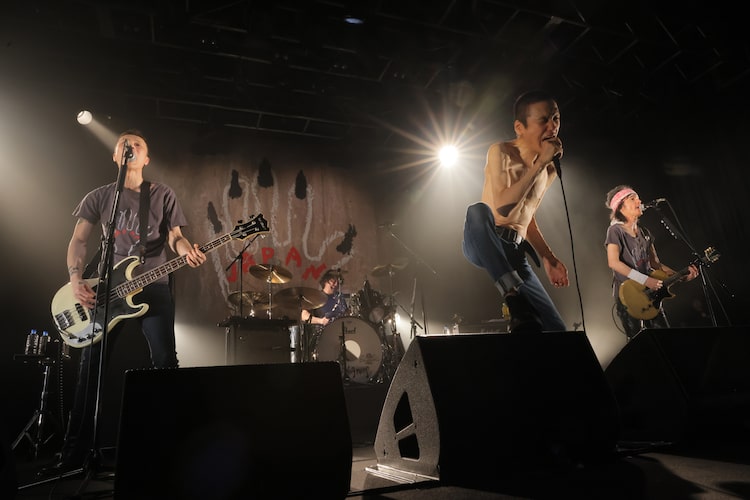
His influence is everywhere. You can hear his DNA in the high-energy rebellion of Mutant Monster and the raw emotional delivery of the modern J-Pop Indie scene. He validated the idea that you don't need a million-dollar production to be a superstar; you just need three chords and the truth. That’s the magic of Hiroto Komoto: legendary rebel, eternal wild card, and somehow still the guy who can make old-school punk feel brand new.
Level 5: The Affection : Why We Love the "Insect Collector"
At I Love Japanese Music, we’re obsessed with the "Trust Transfer." We don't just love Hiroto because he’s famous; we love him because he’s one of us. He’s a music nerd first and a rock star second.
He once released a solo double A-side single, "Midsummer Straight / Tengoku Umare," where he played almost every instrument himself. It wasn't an ego trip; it was a love letter to the "pure passion" of the recording process. When you listen to a Komoto track, you’re not just listening to a professional; you’re listening to a fan who got lucky enough to grab the mic.
Dining Table Prompt: If you had to pick one song to introduce someone to the world of J-Punk, would it be the raw energy of "Linda Linda" or the groovy rebellion of "Seishun"? Let us know in the comments!
Level 6: The Revelation : The Insider’s Hidden Gem
Here’s the "Aha!" moment for the true insiders. While everyone knows the hits, the real treasure lies in Komoto's deep knowledge of Blues and SP records. If you listen closely to The Cro-Magnons' latest tracks, you’ll hear the subtle lick of a 1920s blues riff hidden under a wall of punk distortion. He’s a bridge between the American Delta and the Tokyo underground.
He didn't just bring punk to Japan; he brought the history of rebellion to Japan.
Ready to start your own J-Punk collection?
Whether you're looking for the classic Blue Hearts vinyl or the latest Cro-Magnons CD, you can find the authentic stuff right here.
We’ve also spotted some killer new Japanese fashion drops that vibe with the whole punk aesthetic.
I only recommend products I use myself. By clicking my affiliate links below, you help support this channel at no additional charge to you.
- The Blue Hearts – All Time Memorial (3CD Box Set) – The essential starter pack for any punk fan.
- The Cro-Magnons – Latest Releases – See what the "primitives" are up to lately.
- Explore CDJapan’s New Fashion Arrivals – Is it punk? Is it Harajuku? You decide. CDJapan just dropped a massive new line of Japanese apparel (check out the Listen Flavor collection) that perfectly captures that "rebel style" Hiroto's been rocking for decades.
Stay loud, stay primitive, and keep the rebellion alive!