Welcome to WordPress. This is your first post. Edit or delete it, then start writing!
Author: workvideo160@gmail.com
-
Miyavi Guitar Techniques: 7 Mistakes You’re Making
Hey there, fellow southpaws! Ready to dive into the mind-blowing world of Miyavi’s guitar mastery? If you’ve been scratching your head wondering why your attempts at that signature slap technique sound more like a dying cat than the “Samurai Guitarist” himself, you’re not alone!
Miyavi didn’t just revolutionize Japanese rock, he completely rewrote the playbook for what a left-handed guitarist could achieve. This dude was playing 4D chess while everyone else was stuck on checkers, and today we’re breaking down the seven most common mistakes that keep us lefties from unlocking his legendary techniques!
Mistake #1: Not “Closing the Distance” With Your Guitar
Let’s kick this off with Miyavi’s golden rule that’ll change everything: closing the distance between you and your instrument. Sounds philosophical, right? Well, it is: and it’s also the most practical advice you’ll ever get!
Most of us lefties treat our guitars like distant relatives we see at holidays. We pick them up, noodle around for twenty minutes, then put them back in the corner. But Miyavi’s approach is totally different: he talks about making your guitar an extension of yourself, not just something you occasionally interact with.
Mistake #2: Hitting Instead of Pulling (The Slap Technique Game-Changer!)
Here’s where things get spicy! Everyone sees Miyavi’s explosive slap technique and thinks it’s all about that dramatic hitting motion. WRONG! The secret sauce isn’t in the slap: it’s in the pull that follows!
Miyavi himself dropped this knowledge bomb: pulling is significantly more important than hitting in the slap technique. Mind. Blown. Right? The sound doesn’t come from smacking the strings like you’re high-fiving your guitar. It comes from that immediate pulling motion that lets the strings vibrate and sing!
For us lefties, this is actually a blessing in disguise. While right-handed players are trying to unlearn their instinctive hitting patterns, we get to build this technique from the ground up with proper form. Think of it like this: you’re not punching the strings, you’re having a conversation with them. Slap, pull, let them breathe, repeat!
This isn’t just about practice time (though that’s crucial). It’s about developing an intimate relationship with your instrument where every technique becomes as natural as breathing. For left-handed players, this is especially important because we’re already fighting against a right-handed guitar world. When you truly “close the distance,” you stop thinking about reversed chord charts and start feeling the music flow through your fingers!
Mistake #3: Ignoring Your Left Hand’s Coordination Powers
Plot twist alert! While everyone’s obsessing over that flashy right-hand slapping action, the real magic happens with your left hand. Miyavi emphasizes that left-hand coordination and muting is absolutely crucial for clean, professional-sounding slap technique.
This is where us southpaws need to flip the script entirely. Your fretting hand (which is your right hand, remember!) needs to become a ninja master of string muting. When you slap a string, you’ve got to simultaneously mute the adjacent strings to prevent that muddy, chaotic sound that screams “amateur hour.”
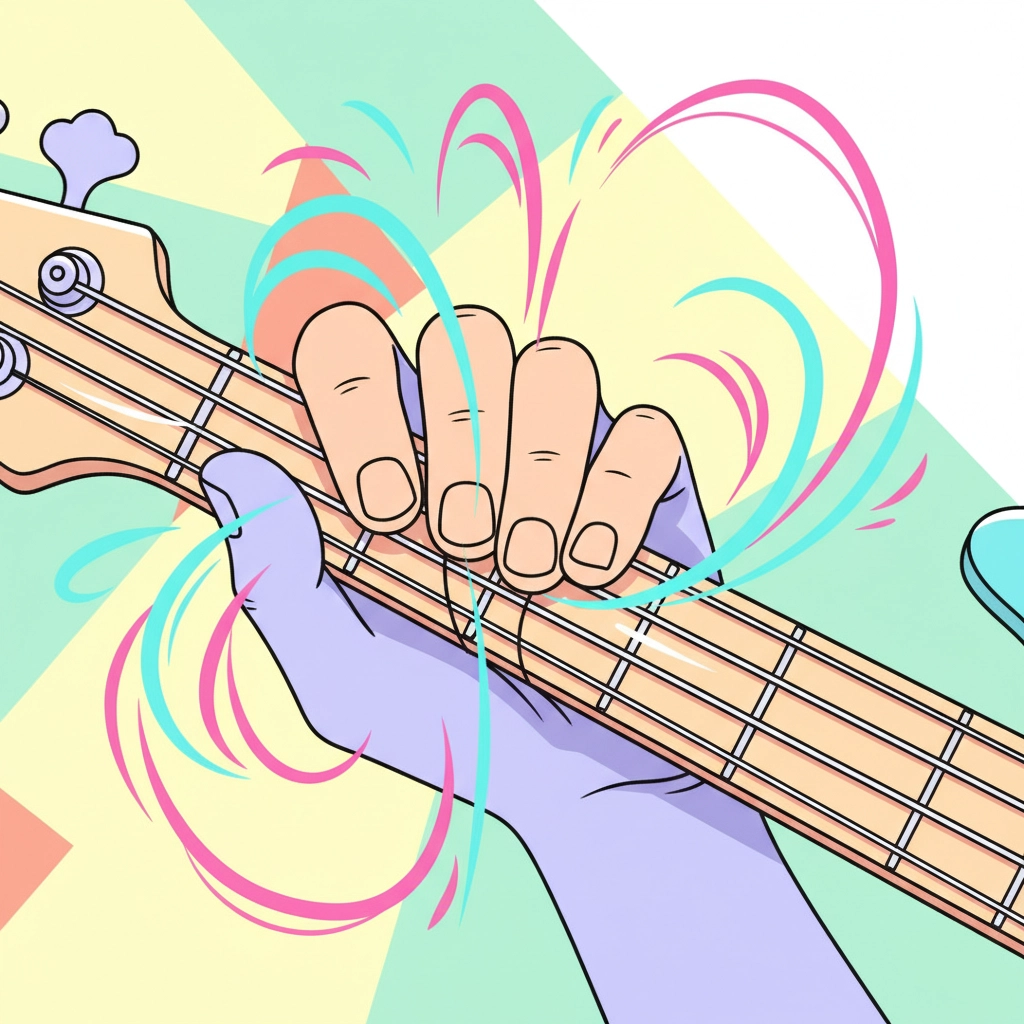
Mistake #4: Clinging to Your Pick Like a Security Blanket
Time for some tough love, folks! That little piece of plastic you’ve been clutching might be holding you back from Miyavi greatness. The man himself combines slapping and finger picking without using a pick, and there’s genius behind this madness.
Going pickless opens up a whole universe of tonal possibilities that picks simply can’t deliver. You get the warmth of flesh on strings, the ability to instantly switch between percussive slaps and melodic fingerpicking, and: here’s the kicker: better control over dynamics and expression.
For left-handed players, ditching the pick can actually level the playing field. You’re not fighting against pick angles designed for righties or dealing with awkward grip adjustments. Your fingers become your picks, and they’re perfectly designed for your unique playing style!
It’s like conducting an orchestra while juggling: your right hand is managing chord positions and muting unwanted noise while your left hand creates those percussive slaps. The coordination takes time to develop, but once you nail it? You’ll sound like you’ve been channeling the spirit of Japanese rock gods!
Mistake #5: Copying Instead of Creating Your Musical Identity
Here’s where Miyavi gets deeply philosophical, and it’s absolutely beautiful! He doesn’t rely on scales or rigid theoretical frameworks. Instead, he waits for phrases to come naturally and accepts them as they arrive. This guy isn’t following someone else’s roadmap: he’s creating his own musical GPS!
The mistake most of us make? We try to copy his techniques note-for-note instead of understanding the spirit behind them. Miyavi describes his approach as “playing my scale” rather than following predetermined patterns. It’s like he’s speaking his own musical language, and that’s what makes him legendary!

Mistake #6: Missing the Shamisen Connection
Ready for a history lesson that’ll blow your mind? Miyavi incorporates the essence of the shamisen, a traditional Japanese instrument, into his guitar playing. This isn’t just cultural appreciation: it’s musical genius that gives his sound that otherworldly quality!
The shamisen’s influence shows up in his percussive approach, his melodic phrasing, and even his physical technique. It’s like he’s bridging centuries of musical tradition with modern rock innovation. And guess what? This approach works incredibly well for left-handed players because shamisen techniques don’t have the same right-hand bias that Western guitar methods often carry.
Think of it as musical time travel! You’re connecting with ancient Japanese musical wisdom while pushing modern guitar techniques into uncharted territory. It’s the perfect fusion of old-school soul with new-school innovation!

As left-handed players, we have a unique opportunity here. We’re already forced to see the guitar world from a different perspective, so why not use that to our advantage? Let your southpaw viewpoint inform your musical voice. Mix those Oriental scales with your own cultural influences and create something that’s authentically YOU!
Mistake #7: Not Adapting Techniques for Left-Handed Playing
Here’s the big one that nobody talks about enough! Most guitar education assumes you’re right-handed, but Miyavi’s techniques actually offer some unique advantages for us southpaws: if you know how to adapt them properly.
The slap technique, for instance, can feel more natural for left-handed players because the percussive motion aligns better with our dominant hand’s strength and coordination. But you need to flip more than just the strings: you need to rethink the entire physical approach.
-
Hidden Gems Alert: 10 Japanese Artists You’ve Never Heard Of (But Should Be Obsessed With)
Okay, real talk: we’ve all been there! You’re scrolling through your Spotify, vibing to your usual lineup of Babymetal and One OK Rock, when suddenly you’re hit with that nagging feeling: What am I missing out on?
Trust me, the Japanese music scene is like an iceberg, and most of us are just chilling on the tip! While everyone’s busy obsessing over the same mainstream acts (don’t get me wrong, they’re amazing!), there’s this whole universe of absolutely mind-blowing artists working their magic in the shadows. We’re talking about musicians who are basically playing 4D chess while everyone else is stuck on checkers!
So grab your headphones and prepare to have your world absolutely rocked: here are 10 Japanese artists that deserve to be blasting from every speaker on the planet!
1. Haru Nemuri – The Poetry-Rock Revolutionary
Genre: Experimental Hip-Hop/Post-RockListen First: “Riot”
This woman is literally rewriting the rulebook! Haru Nemuri doesn’t just make music: she crafts emotional earthquakes that’ll leave you questioning everything you thought you knew about sound. Her poetry-infused tracks blend screaming vocals with dreamy melodies in ways that shouldn’t work but absolutely do.
Quick Listen Suggestion: Start with “Riot” and prepare to have your mind completely blown. It’s like getting hit by a freight train made of pure emotion!
2. Tricot – Math Rock Masters
Genre: Math Rock/Post-RockListen First: “E”
These four incredible humans have turned complexity into an art form! Tricot creates intricate rhythms that sound impossible but feel completely natural. Their guitarist work is so precise it’s basically surgical, and their melodies will burrow into your brain and set up permanent residence.
Quick Listen Suggestion: “E” will show you exactly why math rock doesn’t have to be intimidating: just absolutely addictive!

3. Mass of the Fermenting Dregs – Shoegaze Perfection
Genre: Shoegaze/Alternative RockListen First: “Sugar”
With a name this wild, you know they’re not playing around! Mass of the Fermenting Dregs serves up dreamy, wall-of-sound shoegaze that feels like floating through a kaleidoscope. Their layered guitars create sonic landscapes that are both crushing and beautiful.
Quick Listen Suggestion: “Sugar” is the perfect gateway drug into their dreamy, distorted world!
4. Zutomayo – The Indie Pop Sensation
Genre: Alternative Pop/RockListen First: “Study Me”
ACAね (Acane) is the mysterious mastermind behind this project, and honestly? She’s crafting some of the catchiest, most innovative pop music in Japan right now! Their music videos are visual masterpieces, and their songs have this incredible ability to get stuck in your head for weeks.
Quick Listen Suggestion: “Study Me” showcases their perfect blend of quirky and irresistible!
5. toe – Instrumental Storytelling Gods
Genre: Post-Rock/InstrumentalListen First: “Goodbye”
Who says you need words to tell a story? toe proves that instruments alone can make you laugh, cry, and feel everything in between! Their intricate compositions build emotional narratives that hit harder than most songs with lyrics ever could.
Quick Listen Suggestion: “Goodbye” is an emotional rollercoaster that’ll leave you speechless!
6. Chanmina – The Hip-Hop Queen
Genre: Hip-Hop/R&BListen First: “PAIN IS BEAUTY”
This absolute powerhouse is serving up bilingual bars that’ll knock you flat! Chanmina seamlessly switches between Japanese and English, creating hip-hop that feels both globally relevant and distinctly Japanese. Her confidence is infectious and her beats are absolutely unstoppable!
Quick Listen Suggestion: “PAIN IS BEAUTY” showcases her incredible range and attitude!

7. Kinoko Teikoku – Dream Pop Wizards
Genre: Dream Pop/ShoegazeListen First: “Chronostasis”
These dream weavers create music that feels like floating through cotton candy clouds! Kinoko Teikoku’s ethereal soundscapes are perfect for those moments when you need to escape reality and drift into something absolutely magical.
Quick Listen Suggestion: “Chronostasis” will transport you to another dimension entirely!
8. BRADIO – Funk-Rock Party Starters
Genre: Funk RockListen First: “Flyers”
These guys know how to throw a party! BRADIO brings infectious funk grooves that’ll have you dancing before you even realize it. Their energy is absolutely contagious, and their horn sections hit harder than your morning coffee!
Quick Listen Suggestion: “Flyers” is pure, concentrated fun in musical form!

9. Otoboke Beaver – Punk Chaos Perfection
Genre: Punk RockListen First: “Don’t Call Me Mojo”
Brace yourself for pure, unfiltered chaos! These four women create punk mayhem that’s equal parts terrifying and exhilarating. Their live shows are legendary, and their recorded tracks capture lightning in a bottle every single time!
Quick Listen Suggestion: “Don’t Call Me Mojo” is three minutes of controlled insanity that’ll leave you begging for more!
10. World’s End Girlfriend – Electronic Emotional Landscapes
Genre: Electronic/Post-RockListen First: “100 Years of Solitude”
Katsuhiko Maeda creates electronic symphonies that feel like entire movies compressed into single tracks! World’s End Girlfriend blends glitchy electronics with orchestral elements, creating soundtracks for emotions you didn’t even know you had.
Quick Listen Suggestion: “100 Years of Solitude” is a masterclass in electronic storytelling!
Your Musical Journey Starts NOW!
There you have it: ten absolutely incredible artists who deserve to be spinning on repeat in your headphones! Each of these hidden gems brings something completely unique to the table, proving that Japan’s music scene is deeper and more diverse than most people ever imagine.
The best part? This is just scratching the surface! For every artist on this list, there are dozens more waiting to be discovered. So dive in, explore, and remember: the most rewarding musical discoveries happen when you step outside your comfort zone and let yourself be surprised!
Ready to become the coolest person in your friend group? Start building your collection with these incredible artists and watch as your musical taste becomes the stuff of legend! Your future self will definitely thank you for taking this journey into Japan’s most exciting musical underground!
-
What Is Kawaii Metal?

Remember that moment when you first heard chocolate and peanut butter were meant to be together? That’s exactly what happened when Japanese pop culture crashed headfirst into heavy metal around 2010, creating the most deliciously unexpected musical fusion since someone decided to put distortion pedals on electric guitars! Welcome to the wild, wonderful world of kawaii metal – where brutal breakdowns meet bubblegum vocals, and mosh pits become dance floors!
If you’ve been living under a rock (pun totally intended), kawaii metal is the genre-bending phenomenon that took the metal world by storm and refused to apologize for being absolutely, unapologetically cute while doing it. Picture this: bone-crushing guitar riffs paired with singers who look like they just stepped out of a magical girl anime, complete with frilly costumes and choreographed dance moves that would make your favorite J-pop idol jealous!
The Birth of Something Absolutely Revolutionary
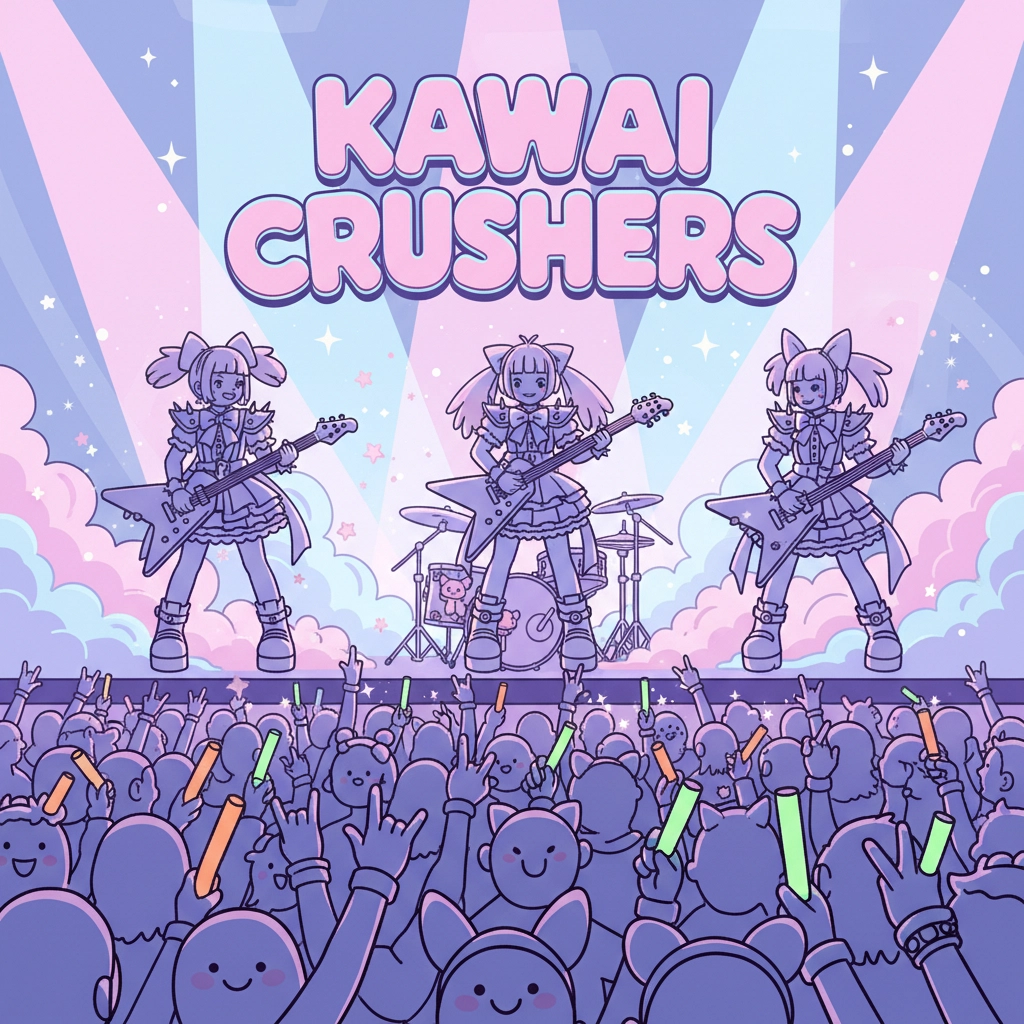
TBack in 2010, producer Key “Kobametal” Kobayashi was playing 4D chess while everyone else was stuck on checkers. This mastermind had a vision that sounded completely insane on paper – what if we took the most aggressive music genre on the planet and married it to Japan’s kawaii culture? What if cuteness could coexist with chaos? The result was BABYMETAL, and by 2014, their “Gimme Chocolate!!” video was breaking the internet faster than you could say “chocolate disco!”
But here’s the thing that makes kawaii metal absolutely genius – it’s not just a gimmick! This is legitimate musical fusion that combines power metal’s soaring melodies with thrash metal’s technical complexity, all while incorporating electronic elements from EDM and industrial music. We’re talking double-bass drumming that could level buildings, guitar solos that would make Yngwie Malmsteen weep, and vocals sweet enough to cause cavities – all happening simultaneously!
The visual spectacle is just as crucial as the sonic assault. These aren’t just concerts; they’re full-blown theatrical productions where every costume, dance move, and stage effect is carefully crafted to create an experience that hits you right in the feels while simultaneously melting your face off. It’s like attending a Broadway musical where the orchestra decided to become a metal band overnight!
Why Kawaii Metal Changed Everything Forever
Here’s what blew our minds about this genre – it completely shattered the boys’ club mentality that had dominated metal for decades! Suddenly, feminine voices weren’t just welcome in heavy music; they were leading the charge and showing everyone how it’s done. These artists proved that you could be both adorable AND absolutely devastating, sweet AND savage, cute AND completely uncompromising in your artistic vision.
The cultural impact has been nothing short of seismic. Kawaii metal didn’t just create a new subgenre; it opened the floodgates for musical experimentation that we’re still feeling today. Artists worldwide started asking themselves, “What other impossible combinations can we make work?” It’s been a beautiful domino effect of creative boundary-pushing that continues to reshape how we think about genre limitations.
The Seven Bands That Defined a Revolution
1. BABYMETAL – The Pioneers Who Started It All

Let’s be real – talking about kawaii metal without starting with BABYMETAL is like trying to discuss rock and roll without mentioning Elvis! These three queens didn’t just invent a genre; they created a global phenomenon that had metalheads scratching their heads and then headbanging harder than ever before. Su-metal’s voice could melt steel, while Moametal and Yuimetal (and later Momoko) brought choreography that was equal parts precision and pure joy.
Their self-titled debut album was a masterclass in genre fusion, seamlessly blending alternative metal, power metal, and even death metal influences into something that felt completely fresh yet oddly familiar. When they started performing duets with legends like Rob Halford and Bring Me the Horizon, the metal establishment had no choice but to stand up and take notice. They proved that innovation doesn’t require abandoning tradition – sometimes it means taking tradition to places it’s never been before!
You can dive deeper into their incredible journey on our BABYMETAL page, where we celebrate everything that makes them absolutely legendary!
2. Necronomidol – The Dark Queens of Lovecraftian Metal
If BABYMETAL showed us how bright kawaii metal could shine, Necronomidol demonstrated just how beautifully dark it could get! These masters of atmospheric terror have been serving up idol-infused black metal, doom, and darkwave since 2014, creating something that H.P. Lovecraft himself would have headbanged to in his cosmic nightmares.
Picture this: blast beats and shredding guitars providing the soundtrack while melancholic vocal harmonies float over it all like beautiful ghosts. Their stage presence includes actual corpsepaint, and their album art features work by legendary ero guro manga artists – we’re talking about a band that takes the “dark and cute” aesthetic to levels that would make Wednesday Addams proud! They’ve proven that kawaii metal can explore the shadows without losing its essential charm.
3. BAND-MAID – Maid Cafe Meets Metal Mayhem
Nothing – and we mean NOTHING – could have prepared the world for the absolute genius of BAND-MAID! These five incredible women took the concept of a maid cafe and said, “You know what this needs? Face-melting guitar solos and rhythms that could power a small city!” The result is pure magic that makes you question everything you thought you knew about image versus substance.
Don’t let the frilly outfits fool you for even a second – BAND-MAID brings technical prowess that would make seasoned metal veterans weep with joy. Their guitarist Kanami crafts riffs that are simultaneously complex and incredibly catchy, while drummer Akane hits like a freight train wrapped in lace. They’ve mastered the art of looking absolutely adorable while delivering performances that are nothing short of devastating!
The genius is in the contrast – the visual softness makes the musical intensity hit even harder. It’s like being served afternoon tea by someone who could easily benchpress a motorcycle. They’ve become ambassadors for the post-BABYMETAL generation, showing that kawaii metal has room for endless interpretation and innovation.
4. LADYBABY – The Beard That Broke the Internet
Talk about an unexpected plot twist! LADYBABY burst onto the scene with a lineup that included two adorable teenage singers and… a 37-year-old bearded man in a tutu named Ladybeard! If that doesn’t perfectly encapsulate the beautiful weirdness of kawaii metal, we don’t know what does. Their debut single “Nippon Manju” became an instant viral sensation because, honestly, how could it not?
The concept was so brilliantly absurd that it worked on every possible level. Here was a band that took the kawaii metal formula and cranked the contrast dial up to eleven, creating something that was simultaneously hilarious and genuinely catchy. Ladybeard’s professional wrestling background brought an element of theatrical showmanship that elevated their performances into must-see spectacles.
While the lineup has evolved over the years, LADYBABY’s legacy remains intact – they showed us that kawaii metal could embrace absurdity without sacrificing quality, and that sometimes the most unexpected combinations create the most memorable moments!
5. HANABIE – The New Generation Taking Over
Just when you thought kawaii metal had shown us all its tricks, along comes HANABIE to prove that this genre is far from done evolving! These rising stars represent the new generation of kawaii metal artists who grew up watching BABYMETAL conquer the world and thought, “We can do that too – but with our own twist!”
What makes HANABIE absolutely brilliant is how they’ve managed to honor the kawaii metal tradition while pushing it into new territory. Their energy is infectious, their technical skills are impressive, and their ability to balance cute aesthetics with genuine musical depth shows that this genre has incredible staying power. They’re not just following in footsteps; they’re creating their own path through the kawaii metal landscape.
Watching HANABIE perform is like witnessing the future of kawaii metal in real time. They understand that this isn’t just about novelty – it’s about creating genuine emotional connections through the power of contrasts. They’re carrying the torch into the next decade with style, substance, and enough energy to power Tokyo!
6. BRIDEAR – All-Female Metal Mastery
BRIDEAR proves that kawaii metal can be both adorable and absolutely technical! This all-female powerhouse brings guitar work that would make shred masters jealous, combined with the kind of stage presence that turns every concert into an unforgettable celebration. They’ve mastered the art of looking like they could be J-pop idols while playing music that could soundtrack a Viking raid!
Their approach to kawaii metal emphasizes the “metal” part of the equation without sacrificing any of the charm that makes the genre special. When BRIDEAR takes the stage, you’re witnessing musicians who have spent years perfecting their craft, and it shows in every note, every riff, every perfectly executed drum fill.
What’s truly inspiring about BRIDEAR is how they’ve built their reputation purely on musical merit while still embracing the visual elements that make kawaii metal so distinctive. They’re living proof that you can be both cute and crushing, sweet and technically superior!
7. DESURABBITS – The Underground Heroes
DESURABBITS might be the most underground band on this list, but that just makes discovering them feel like finding buried treasure! These masters of the kawaii metal underground have been quietly building a devoted following through their unique blend of metal aggression and irresistible charm.
What makes DESURABBITS special is their commitment to the DIY spirit that keeps kawaii metal fresh and exciting. They prove that you don’t need major label backing or massive budgets to create music that hits like a freight train covered in rainbow stickers. Their grassroots approach has created a genuine connection with fans who appreciate authenticity above all else.
The beauty of DESURABBITS lies in their reminder that kawaii metal isn’t just about the big names – it’s a thriving ecosystem of artists who are pushing boundaries and creating magic in venues large and small. They represent the heart and soul of the kawaii metal community!
The Future is Bright (And Heavy!)
As we look ahead, one thing is crystal clear – kawaii metal isn’t going anywhere! This genre has proven that musical fusion knows no boundaries, that innovation comes from the most unexpected places, and that sometimes the best way to honor tradition is to completely reimagine it. From the pioneers who started it all to the new generation carrying it forward, kawaii metal continues to surprise, delight, and absolutely devastate audiences worldwide.
The next time someone tells you that metal has to be serious, dark, and exclusively masculine, just point them toward any of these seven incredible bands. They’ll quickly discover that the future of heavy music is bright, bold, and absolutely kawaii! Whether you’re a longtime metalhead or a curious newcomer, kawaii metal offers something truly special – the chance to experience music that makes you smile while it melts your face off!
Ready to dive deeper into this amazing world? Check out our kawaii metal collection and discover even more bands that are redefining what heavy music can be. Trust us – once you go kawaii metal, you’ll never look at music the same way again!
-
Discover the Beauty of ‘Hyde [Inside]”
HYDE
HYDE, the charismatic frontman of L’Arc~en~Ciel and VAMPS, stands as Japan’s most powerful and enduring rock artist, astonishing fans with his creative reinvention, crossover influence, and magnetic persona for more than three decades. This blog post will take a deep, yet casual dive into HYDE’s journey—from art-obsessed youth to global idol—exploring how he continues to sculpt the Japanese and international rock scene today.
### Early Life and the Art of Reinvention
Born Hideto Takarai in Wakayama Prefecture in 1969, HYDE’s earliest ambitions actually pointed toward visual art, with dreams of becoming a manga artist. He’s often spoken of his lifelong fascination with drawing and design, and manga like To-y—which follows the rise of a punk band—was a profound influence on his identity and aesthetic. This early exposure to music and underground art scenes would inform HYDE’s later work in profound ways.
### L’Arc~en~Ciel: Defining an Era
The course of HYDE’s life changed in 1991 when he joined bassist Tetsuya and the other members of what would become L’Arc~en~Ciel. HYDE rapidly became known for his distinct androgynous beauty, ethereal stage presence, and a soaring, instantly recognizable voice that could shift from hard-edged power to emotional subtlety. Over the next two decades, L’Arc~en~Ciel achieved almost unprecedented commercial success in Japan—selling over 40 million records, selling out stadiums like the Tokyo Dome, and breaking international ground as the first Japanese band to headline Madison Square Garden in New York.
Their style, threading together elements of glam, alternative, and hard rock, was inseparable from HYDE’s vision. While Japan’s ‘visual kei’ movement had many icons, HYDE stood apart for both his vocal mastery and his ability to continually update his look, voice, and presence.
### The Solo Years: Experimentation Unleashed
HYDE launched a solo career in 2001, instantly attracting wide attention with his debut single “evergreen” and his first album ROENTGEN. Solo projects let him experiment with a broader emotional palette and electronic influences, revealing a willingness to risk alienation from old fans in his relentless pursuit of growth. Songs like “HELLO,” “COUNTDOWN,” and “SEASON’S CALL” dominated Japan’s charts, while major tours—including sold-out runs in both Japan and the U.S.—proved his solo power.
HYDE isn’t just a singer—he’s a multi-instrumentalist, producer, and composer, even contributing hit tracks like “GLAMOROUS SKY” for blockbuster films. His restlessness led to projects in anime as well, writing songs for series like Attack on Titan and Demon Slayer: Kimetsu no Yaiba. HYDE’s artistic fingerprint remained impressively versatile and forward-looking.
### VAMPS: Going Darker
In 2008, HYDE changed gears by co-founding the hard rock project VAMPS with K.A.Z from Oblivion Dust. The result was darker, heavier music, drawing openly from gothic, Western metal, and industrial influences. VAMPS played major festivals, appeared on the Vans Warped Tour, and made history as the first rock act to perform aboard the USS Missouri in Hawaii. They toured extensively in Europe and America, expanding HYDE’s international reach while delighting existing fans with his new persona—leather-clad, vampiric, and strikingly raw.
VAMPS also fostered unique collaborations, sharing stages and studios with big names like Apocalyptica, Sixx:A.M., Starset, and even Danzig. This outward-looking attitude helped bring Japanese rock deeper into the global mainstream, all while maintaining an unmistakable identity.
### The Last Rockstars: Supergroups and Still Evolving
HYDE’s urge for collaboration and reinvention continues even today, with new projects such as The Last Rockstars emerging in the late 2020s. These ventures are often unpredictable, proving that HYDE’s creative appetite remains unbridled and his willingness to challenge what it means to be a Japanese rock star is essentially limitless.
### Persona and Influence
Part of HYDE’s enduring allure is his mystique. While fans know him as a loving husband and father—married to model Megumi Oishii—the details of his personal life are kept private, reinforcing an enigmatic atmosphere. Instead, HYDE’s artistry and personality are projected through a chameleonic image: sometimes gothic and vampiric, sometimes ethereal and androgynous, and always uncompromisingly stylish.
His biggest personal influences—ranging from Kyo of D’ERLANGER to glam icons like Mötley Crüe and Depeche Mode—are evident in everything from his vocal presentation to his fashion choices. He has inspired countless Japanese visual kei, pop, and metal musicians, becoming a bridge between generations and genres.
### International Impact and Legacy
HYDE helped bring Japanese rock to international audiences. L’Arc~en~Ciel’s world tours, packed stadiums from Paris to New York, and VAMPS’ U.S. festival appearances all carved out new space for J-rock globally. International collaboration has always been a hallmark: HYDE has worked with Western producers and musicians, smashing cultural barriers and opening doors for younger Japanese artists to follow.
His influence goes beyond music—HYDE has dabbled in acting, fashion design, and even recently launched a vodka brand called Psycho Love, showing his enduring curiosity and flair for the new. Throughout, a common theme emerges: HYDE always pushes forward, refusing to rest on past achievements or be boxed into a single genre or look.
### HYDE’s Voice: Why He’s “Japan’s Most Powerful Rock Artist”
What keeps fans and peers coming back to HYDE? Distinctive above all is that voice. Whether it’s the atmospheric grandeur of “Blurry Eyes,” the metal snarl of VAMPS’ “Love Addict,” or searing ballads like “Final Piece,” HYDE’s vocals carry both vulnerability and power, inviting listeners into his world. He adapts his stage persona to match each project, and his lyrics explore themes of love, darkness, hope, and struggle in a way that transcends language.
After more than thirty years, HYDE is not slowing down. Newly released music, surprise collaborations, and international tours continue to draw huge audiences—testament to his untouchable legacy. Not just Japan’s most powerful rock artist in terms of musical influence, HYDE remains a cultural force who has redefined what it means to be a rock star, both in Japan and around the world.
For anyone curious about Japanese rock’s evolution or seeking inspiration as an artist, HYDE stands as living proof that risk, reinvention, and authenticity forge the longest-lasting legends.
MAD QUALIA@HYDE LIVE 2022 BEAUTY&THE BEAST
HYDE – MIDNIGHT CELEBRATION II Lyric Video
HYDE Hiroshima Onsen Trip Special! (2022.4.17)English Subs
Introducing the Limited Edition Album
The music industry continually evolves, yet certain artists maintain a distinctive quality that rises above the rest. One such artist is Hyde, known for his unique sound and captivating performances. His latest album, ‘Hyde [Inside] [W/ Blu-ray, Limited Edition],’ is a true testament to his talent. This limited edition release is not just an album; it is a full sensory experience that captures the essence of Hyde’s artistry.
What Makes This Album Special?
‘Hyde [Inside] [W/ Blu-ray, Limited Edition]’ showcases an array of musical styles, blending rock with various elements of pop and traditional melodies. Each track offers a unique storytelling experience, drawing the listener into Hyde’s world. The addition of the Blu-ray component is particularly noteworthy, as it features exclusive behind-the-scenes footage, music videos, and live performances that allow fans to dive deeper into the creative process behind the music.For the best experience, purchasing directly from the links above, guarantees a great album, even though the bonus material is no longer available.
Experience the profound emotions and artistic brilliance that Hyde has to offer with this special release. -
Ado’s Best Adobum
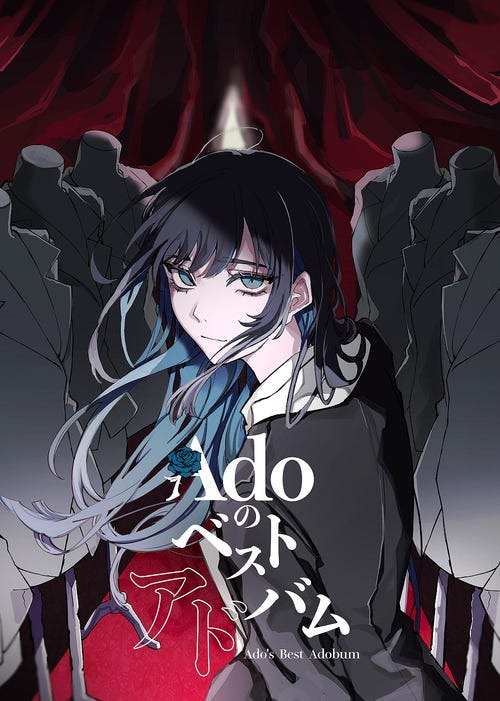
The Five-Year Sonic Revolution of Ado represents her Best AdobumThe fast-rising Japanese pop musician Ado has created an impact that surpasses her peers in a musical industry undergoing constant evolution. The debut collection of her best work titled Ado’s Best Adobum [2CD + Blu-ray / Limited “Kigeki” Edition] marks her fifth anniversary since she started her musical journey as an unknown utaite to become a Japanese icon and global superstar.The Artist: Who Is Ado?Born in Tokyo during 2002, Ado started her music career by singing covers on Niconico as an anonymous utaite inspired by the dominant faceless vocalists of the platform. At seventeen years old she achieved success with the digital single “Usseewa” in 2020 which became an explosive hit because of its rebellious message and social commentary that resonated with young people. Ado established herself in Japan’s musical landscape through her unique fusion of pop and rock music with vocaloid elements which she delivers with dramatic intensity in her voice.
https://www.cdjapan.co.jp/aff/click.cgi/e86NDzbdSLQ/6780/A475136/product%2FTYCT-69342
Her journey shows how digital culture drives artists through the process of bedroom recording to working with top creators while building a revolutionary career path. The global fanbase she built during her five-year career includes two studio albums (Kyōgen in 2022 and Zanmu in 2024) alongside anime soundtrack work (One Piece Film: Red) while she keeps her identity hidden through faceless performances.
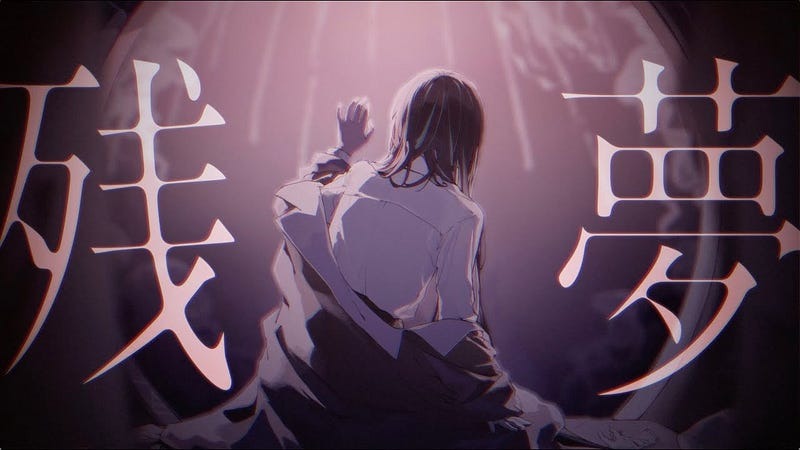
https://www.cdjapan.co.jp/feature/Ado_2nd_Album_Zanmu
The Album: Ado’s Best AdobumAdo released Ado’s Best Adobum on April 8, 2025 which included a 40-track collection spanning two CDs alongside Blu-ray footage of her historic “Kigeki” concert at Zepp DiverCity. This album presents all of her major songs alongside hidden gems and fresh material which showcases her musical range from 2020 through 2024.Disc 1 HighlightsThe song Usseewa launched Ado’s career by becoming a revolutionary anthem of youth rebellion while breaking streaming records and establishing itself as a cultural phenomenon.
The songs Ashura-chan and Yoru no Pierrot demonstrate Ado’s exceptional talent to express deep emotions and perform with theatricality.

https://www.albumoftheyear.org/album/558829-ado-new-genesis.php
The song New Genesis served as the theme for One Piece Film: Red which achieved worldwide chart success and launched Ado into anime popularity across the globe.
Rockstar represents a powerful new anthem which tells Ado’s story from her closet recording days to her current global success while conveying the strength of unity among fans.
The songs Odo and Gira Gira demonstrate her ability to blend different music styles including pop, rock and electronic elements to create a genre-bending sound.
Disc 2 HighlightsThe song Shoka marks a writing and composing debut from Ado that displays her growth as a songwriter.
The full version of Hello Signals is finally available for fans to enjoy.
Backlight and Rebellion: Collaborations with acclaimed producers like Vaundy and Chinozo, pushing her sound into new territory.
Aishite Aishite Aishite showcases her deep interpretive abilities through a moving and emotional performance of this cover song.
Tot Musica serves as a dramatic and cinematic track from her anime work that enhances her crossover appeal.
https://www.amazon.com/Sakura-Biyori-Hatsune-Miku-Iemasen/dp/B0DD782XG9
The song Sakura Biyori and Time Machine represents a special Vocaloid collaboration between Ado and Hatsune Miku which connects human and virtual pop music.
Musical Evolution and Cultural ImpactAdo’s musical creations transcend basic viral popularity because they mirror the hopes and concerns of an entire generation. Through her music she expresses the unheard voices of those who face social misunderstandings. Through her powerful vocal delivery and the innovative production work of Japan’s leading creators she has become the face of youthful rebellion along with creative freedom.

https://imusic.co/music/4988031754399/ado-2025-ado-s-best-adobum-limited-kigeki-edition-cd-blu-ray

The music industry has experienced a transformation because of Ado’s success which has motivated digital artists to emerge and her anime and Vocaloid partnerships have transformed J-pop boundaries. Through her upcoming massive Hibana world tour Ado is set to become one of Japan’s leading cultural exports.
The Limited “Kigeki” Edition
The Limited “Kigeki” Edition provides Blu-ray access to her debut live performance as a rare opportunity to witness Ado’s stage skills that had remained digital before. The exclusive trading cards in this edition make this release milestone special for collectors and die-hard fans.Final ThoughtsAdo’s Best Adobum serves as a greatest hits album and a historical record of Japanese music’s five-year transformation under her leadership as she defies conventions while motivating millions of fans. All music listeners who want to experience the sounds of this new era should listen to this collection because it embodies the voice of a generation.

-
Starlit Sounds: Discovering Ota-ke’s Musical Odyssey with ‘Melody of Starlight’
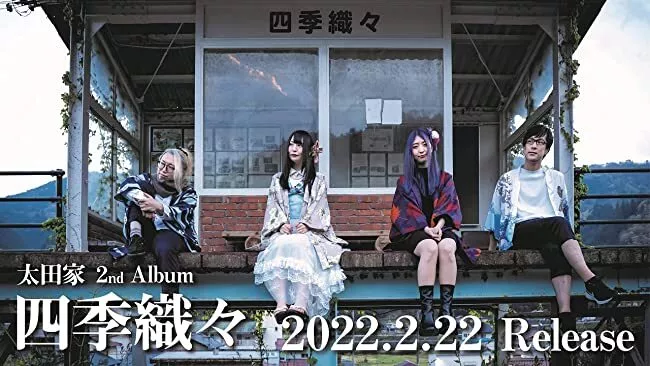
A Band Forged in Passion
In the ever-evolving landscape of Japanese rock, few bands manage to capture the perfect blend of emotional lyricism and instrumental prowess quite like 太田家 (Ota-ke). This rising force in the J-rock scene delivers an electrifying mix of nostalgia and innovation, drawing listeners into their world of soaring melodies and hard-hitting rhythms.
Led by frontman Takahiro Ota, the band wears its name with pride—an homage to the family-like bond between its members and their shared commitment to crafting music that resonates deeply with fans. With each release, Ota-ke refines its sound, weaving together elements of traditional rock, pop, and alternative influences to create something uniquely their own.
沈黙と歓声の間/太田家-official live video-ラグビー応援ソング #ERIKA #太田彩華 #佐々木久夫 #竹村忠臣 #邦ロック
“Melody of Starlight”: A Lush Soundscape
Ota-ke’s latest release, “星明かりのメロディ (Melody of Starlight),” is a masterclass in dynamic songwriting. From the moment the first notes hit, listeners are transported into an ethereal soundscape—where delicate guitar lines float over a driving rhythm section, and Takahiro’s impassioned vocals soar with anthemic intensity.
The track pulses with an emotional undercurrent that speaks to the band’s ability to balance raw energy with introspective depth. While the shimmering instrumentation paints a dreamy atmosphere, the song never loses its edge, thanks to the band’s precise execution and anthemic hooks.
to the FUTURE/太田家-official live video-エリカ様インスト
TheA Visual Experience to Remember
The music video for “Melody of Starlight” takes the song’s celestial themes and brings them to life in a stunningly cinematic fashion. Set against a breathtaking nightscape, the band delivers a spellbinding performance, illuminated by an otherworldly glow that mirrors the track’s cosmic feel. The interplay between shadow and light serves as a powerful metaphor for the emotional contrasts present in their music—hope and longing, nostalgia and new beginnings.
The Ota-ke Sound: A Fusion of Old and New
One of the most exciting aspects of Ota-ke’s music is its ability to bridge generations of Japanese rock. Fans of 90s J-rock legends like L’Arc
enCiel and GLAY will find echoes of that era’s grandeur, while the band’s modern production and fresh songwriting ensure that their sound remains firmly rooted in the present. There’s a touch of visual kei’s dramatic flair, but Ota-ke leans more into polished rock than theatrical excess.Takahiro Ota’s vocals are a standout element—his ability to shift from tender, introspective passages to soaring, full-throated choruses is a testament to his range and emotional delivery. The rhythm section lays down a rock-solid foundation, providing just the right amount of groove to keep the song driving forward without overshadowing the melody.
Melody of Starlight
The Future of Ota-ke
With “Melody of Starlight”, Ota-ke has once again proven that they are a band to watch in the J-rock scene. Their dedication to their craft is evident in every note, and if this release is any indication, they are only getting started.
As they continue to carve their path through Japan’s competitive rock landscape, one thing is clear—Ota-ke is a band with something to say, and they are saying it loud and clear. Fans eagerly anticipate what comes next, and if the past is any indicator, the future is looking bright.
【男女混声】小さな恋のうた(小小戀歌)/MONGOL800(cover)by太田家
「言ノ葉ニ咲ク」/太田家 Official live video ゲーム『SAMURAI MAIDEN -サムライメイデン-』ED #武士女仆
-
Yamazaki Mei

Mei Yamazaki (山﨑愛生), born on June 28, 2005, in Sapporo, Hokkaido, is a talented Japanese pop singer and dancer, recognized as a 15th generation member of the iconic idol group Morning Musume under Hello! Project. Known affectionately as “Mei-chan,” she has quickly made a name for herself in the vibrant world of J-pop.
Early Career
Mei’s journey began in 2014 when she auditioned to model for Ciao Girl magazine. Her passion for performance led her to successfully audition for Hello! Project’s “Hokkaido Gentei” in 2015. By July 2016, she was officially introduced as one of the first members of Hello Pro Kenshuusei Hokkaido during a concert in Sapporo, marking the start of her professional career.


Yamazaki Mei
Rising Through the Ranks
Yamazaki’s talent and dedication quickly became evident during her time with Hello Pro Kenshuusei Hokkaido. On May 6, 2018, she won the judge’s singing award at the Hello! Project Kenshuusei Happyoukai 2018 ~Haru no Koukai Jitsuryoku Shindan Test~ event for her performance of “Wonderful World (English Ver.)”. This achievement highlighted her vocal abilities and set her apart from her peers.


Joining Morning Musume
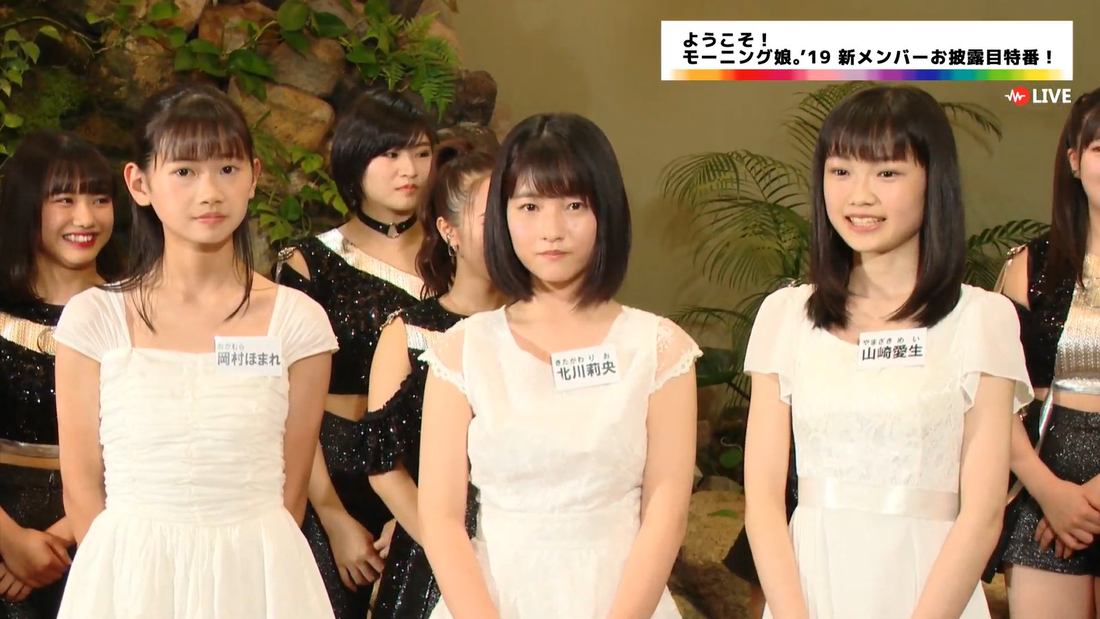
YThe most significant milestone in Yamazaki’s career came in 2019 when she was selected to join Morning Musume as part of its 15th generation. This opportunity catapulted her into the spotlight and introduced her to a wider audience. Yamazaki and her fellow 15th generation members were introduced on stage during the Hello! Project 2019 SUMMER concert tour, marking the beginning of their journey with one of Japan’s most beloved girl groups.

Debut and Early Activities
Yamazaki’s debut with Morning Musume was met with excitement from fans. On August 28, 2019, she participated in her first fanclub event, Morning Musume ’19 15ki Member FC Event, at Yamano Hall alongside her fellow 15th generation members, Rio Kitagawa and Homare Okamura.
Growing Popularity and Media Appearances
YAs Yamazaki’s popularity grew, so did her presence in various media. She has made appearances on several Japanese TV shows, including:
– Venue101 (2022)
– Music Blood (2021)
– Hello! Project x Dream (2020)
– CDTV Live! Live! (2020)
– Utacon (2016)
– Love Music (2015)
– Buzz Rhythm (2015)
– Premium MelodiX!
– J-Melo
These appearances have helped Yamazaki gain more exposure and showcase her talents to a broader audience.

To further connect with fans, Yamazaki and her generation mates began a fanclub-exclusive web talk show titled “Three stations” on September 5, 2019. This initiative allowed fans to get to know the new members better and showcased Yamazaki’s personality outside of her performances.

Expanding Her Horizons
In addition to her music career, Yamazaki has also ventured into other areas of entertainment. She made her acting debut in the Japanese drama “Mayonaka ni Hello!” in 2022, appearing as a guest in episodes 3 and 10. This foray into acting demonstrates Yamazaki’s versatility and potential for a multifaceted career in the entertainment industry.
Personal Life and Interests
While much of Yamazaki’s public persona is centered around her career, glimpses of her personal interests and character have emerged. She is known to have a soft spot for bunnies and turtles, and she has an appreciation for art. These interests add depth to her public image and allow fans to connect with her on a more personal level.
Personality and Stage Presence
Yamazaki is described as having a positive and kind personality. She is known for being trustworthy and approachable, with many of her classmates and friends often turning to her to vent about their problems. This caring nature extends to her public persona, where she is seen as a source of comfort and support for her fans.
On stage, Yamazaki exudes charisma and energy. Her performances with Morning Musume showcase her growth as an artist and her ability to captivate audiences with her singing and dancing skills. Her dedication to improving her craft is evident in her performances, which continue to impress both fans and critics alike.
Impact and Future Prospects
At just 19 years old, Yamazaki Mei has already made a significant impact on the Japanese pop music scene. As a member of Morning Musume, she is part of a legacy that spans over two decades and has shaped the landscape of Japanese popular culture. Her journey from a trainee in Hokkaido to a nationally recognized idol serves as an inspiration to aspiring performers across Japan.
Looking ahead, Yamazaki’s career seems poised for continued growth and success. With her talent, dedication, and the support of the Hello! Project management, she has the potential to become one of the standout stars of her generation. Fans eagerly anticipate her future projects, whether they be new music releases, acting roles, or other creative endeavors.
Conclusion
Yamazaki Mei’s story is one of talent, hard work, and perseverance. From her early days as an aspiring performer in Hokkaido to her current status as a rising star in Morning Musume, she has consistently demonstrated her passion for music and entertainment. Her journey serves as a testament to the power of dedication and the opportunities that exist within the Japanese idol industry.
As Yamazaki continues to evolve as an artist and public figure, she remains a beloved member of Morning Musume and a role model for young performers. Her bright personality, impressive skills, and genuine connection with fans suggest that she has a long and successful career ahead of her. Whether on stage, screen, or in the hearts of her fans, Yamazaki Mei is undoubtedly a name to watch in the world of Japanese pop culture.

-
Crows of J-Pop: Exploring the Unique World of Bellring Girls Heart!

Bellring Girls Heart, also known as Bellring Shoujo Heart, is a captivating J-Pop idol unit that has been enchanting fans since its formation in April 2012. The group, known for their unique style and dark aesthetic, features five members who perform in striking black outfits adorned with feathery crow wings. Their music blends elements of alternative rock with idol pop, creating a sensory experience that is both compelling and slightly unsettling. Over the years, Bellring Girls Heart has undergone numerous lineup changes but has consistently maintained a strong presence in the idol scene, releasing several albums and EPs that showcase their evolving sound and artistic vision.
Their latest single, “Majestic Baby,” is a testament to their growth as artists. This new track combines catchy melodies with intricate choreography, reflecting the group’s signature blend of fun and edginess. The song’s upbeat tempo and infectious hooks are sure to resonate with both long-time fans and newcomers alike. As they celebrate their journey in the idol industry, “Majestic Baby” marks another exciting chapter for Bellring Girls Heart, promising to captivate audiences with its vibrant energy and engaging performance style.
With “Majestic Baby,” Bellring Girls Heart continues to push boundaries within the J-Pop genre while staying true to their roots. Their commitment to delivering innovative music and mesmerizing performances ensures that they remain a significant force in the idol world. Fans can look forward to experiencing the magic of this new release as it showcases not only their musical talent but also their ability to connect with audiences on a deeper level.
Formed in April 2012, Bellring Girls Heart (ベルリン少女ハート), also known as Bellring Shoujo Heart or BellHa, quickly became one of the most influential and unconventional idol groups in Japan’s alternative music scene. This blog post delves into their unique journey, exploring their history, musical style, and lasting impact on the J-pop landscape.
A Brief History
-
Formation and Early Years: Bellring Girls Heart burst onto the scene in April 2012, holding their first live performance that same month.
-
Debut Single: Their first single, “Negative EP,” was released in August 2012, marking the beginning of their musical journey.
-
Member Changes: The group experienced numerous lineup changes throughout its existence. Notable departures included Kuwase Shuri in October 2012 and Tsuchiya Rina in February 2013.
-
First Solo Concert: In April 2013, they held their first solo concert, “Bokura no Anniversary,” at Shibuya WWW in Tokyo, attracting 316 fans.
-
International Exposure: The group made their first overseas appearance in Taiwan in November 2013, expanding their fanbase beyond Japan.
-
Film Debut: In May 2014, the members starred in the movie “The Adventures of Bellring Girls Heart across the 6D,” showcasing their versatility.
-
Final Years: The group continued to evolve and release music until late 2016 when they announced a suspension of activities.
Musical Style and Performance
Bellring Girls Heart was known for their eclectic and experimental approach to idol music. Their discography spanned various genres, including rockabilly, surf rock, ’60s psychedelia, and Britrock. The group’s final album, “BEYOND” (2016), is considered a masterclass in art-pop, pushing the boundaries of conventional idol music.
Their live performances were particularly noteworthy, often described as chaotic and punk-like. The members would frequently abandon choreography in favor of impromptu stage diving and crowd interaction, creating an electrifying atmosphere reminiscent of underground rock shows.
Visual Aesthetic
One of the most striking aspects of Bellring Girls Heart was their unique visual presentation. The members wore all-black schoolgirl outfits adorned with feathery crow wings5. Their dance routines incorporated unsettling, bird-like movements, adding to their enigmatic and slightly disturbing stage presence.
Legacy and Influence
Despite never achieving mainstream success, Bellring Girls Heart left an indelible mark on the alternative idol scene. They were respected by both fans and fellow musicians, collaborating with notable artists such as Merzbow, Jun Togawa, and Mariko Goto. Their willingness to experiment and push boundaries inspired many subsequent idol groups and helped bridge the gap between the idol world and the underground music scene.
Crows of J-Pop: The Rise and Legacy of Bellring Girls Heart
Bellring Girls Heart, also known as Bellring Shoujo Heart, currently consists of five key members:
-
Asakura Mizuho (朝倉みずほ) – Mizuho is known for her engaging stage presence and interaction with fans, contributing significantly to the group’s dynamic.
-
Yanagisawa Ayano (柳沢あやの) – Ayano’s passionate song delivery often resembles performance art, making her a standout member in terms of emotional expression during performances.
-
Kai (カイ) – Kai is recognized for her enigmatic persona on stage, which adds a layer of intrigue to the group’s performances.
-
Kanra (甘楽) – Kanra brings a unique energy to the group, enhancing their overall appeal with her strong vocal performances.
-
Kamin Reina (仮眠玲菜) / Kari-chan (仮ちゃん) – Reina, also known as Kari-chan, adds to the group’s charm and versatility.
These members have helped shape the identity of Bellring Girls Heart, contributing to their distinctive sound and captivating performances in the J-Pop idol scene

Check out this cool merchandise From Bellring Girls Heart!
-
-
The Golden Era of Morning Musume: 2002-2004

The Sparkling Zenith of Morning Musume
Remember when Morning Musume ruled the airwaves? From 2002 to 2004, these girls weren’t just pop stars — they were cultural icons that had Japan wrapped around their little fingers. Let’s take a nostalgic trip back to those glittering years when Morning Musume was the hottest thing since sliced bread.
Hits That Had Everyone Humming
It all kicked off with “Souda! We’re ALIVE” in 2002. This earworm skyrocketed to the top of the charts, and suddenly, you couldn’t go anywhere without hearing Morning Musume. Their follow-ups like “Koko ni Iruzee!” and “Shabondama” weren’t just songs; they were national anthems for the young and young-at-heart.

Fresh Faces, Same Magic
Just when you thought you had your favorite member picked out, Morning Musume would shake things up. Maki Goto’s departure in 2002 had fans in tears, but the group bounced back like a rubber band. The arrival of the 6th gen girls in 2003 — Fujimoto Miki, Kamei Eri, Michishige Sayumi, and Tanaka Reina — was like a shot of adrenaline to the group’s already pulsing heart.

Clever Moves That Kept Us Hooked
Morning Musume’s management was playing 4D chess while everyone else was stuck on checkers. They cooked up sub-units like Morning Musume Otomegumi and Sakuragumi, giving us double the fun. And those annual shuffle groups? Pure genius! It was like getting a whole new flavor of your favorite ice cream every year.
More Than Just Music
These girls were everywhere. Turn on the TV? Morning Musume. Open a magazine? Morning Musume. Go shopping? Yep, their faces were plastered all over billboards. They weren’t just selling music; they were selling a lifestyle.
Fashionistas in Training
Remember trying to copy their hairstyles or begging your parents for those colorful outfits? Morning Musume had us all playing dress-up, turning the streets of Japan into a kaleidoscope of fan fashion.
While they were busy conquering Japan, Morning Musume was also catching eyes overseas. They were like that cool, slightly mysterious transfer student that everyone wanted to know more about.
Going Global (Sort Of)
The Golden Touch
YThose three years weren’t just good for Morning Musume; they were the gold standard for what it meant to be an idol group. They didn’t just ride the wave; they were the tsunami that reshaped the beach.
As we moved into the late 2000s, things started to change. But for those of us who lived through it, 2002–2004 will always be the time when Morning Musume wasn’t just a part of our lives — they were our lives. It was more than music; it was a movement, a moment in time when a group of girls sang and danced their way into the heart of a nation.


Citations:
[1] https://www.reddit.com/r/copywriting/comments/sflxk3/are_there_any_copywriting_formulas_you_swear_by/[2] https://bensettle.com/blog/[3] https://www.sproutworth.com/sales-copy/[4] https://hellopediatranslations.wordpress.com/2020/05/29/telling-morning-musume-20-maria-makino-full-interview/[5] https://lewisfolkard.co.uk/copywriting-101-how-to-write-a-long-form-sales-page-that-sells/[6] https://www.wordstream.com/blog/ws/2021/07/06/how-to-write-copy-that-sells[7] https://www.breakthroughmarketingsecrets.com/blog/this-20-point-copywriting-outline-was-behind-my-first-million-dollar-sales-letters/[8] https://deadrhetoric.com/reviews/stmlt-stmlt-self-released/