
I only recommend products I use myself. By clicking my affiliate links below, you help support this channel at no additional charge to you.
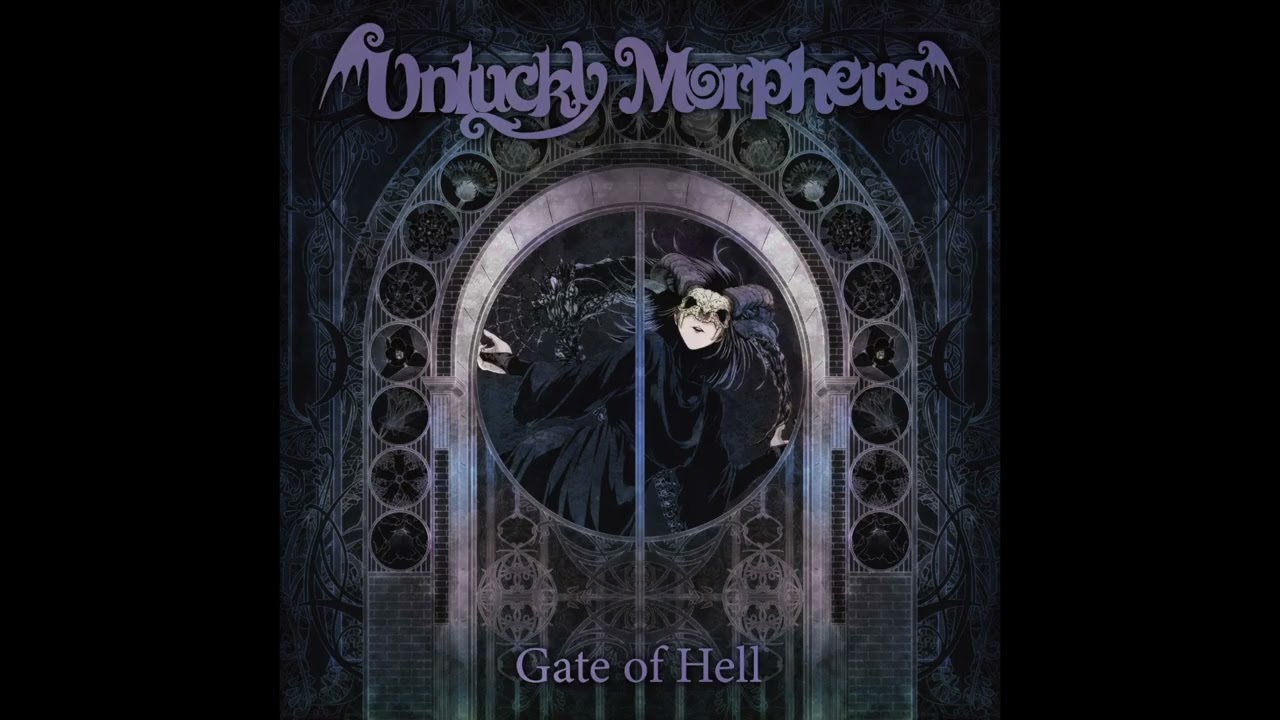
Buy Unlucky Morpheus – Gate of Hell on Amazon
Buy Unlucky Morpheus – Gate of Hell on CDJapan
If you’ve ever sat down with a pair of high-fidelity headphones and blasted Unlucky Morpheus (lovingly known to fans as Ankimo), you know that "sensory overload" is an understatement. The soaring vocals of Fuki and the neoclassical shredding of Shiren are usually what grab the headlines. But if you strip away the symphonic layers and the operatic drama, you’re left with a mechanical heart that beats with terrifying precision. If you want the vocal counterpart to this technical machine, check out Fuki: The Unstoppable Vocal Force of Unlucky Morpheus.
That heart is the synergy between Jinya (Guitar) and Fumiya Morishita (Drums).
At I Love Japanese Music, we don’t just listen to the music: we obsess over the gears that make the machine turn. And frankly, the connection between these two is one of the most fascinating "technical legacies" in the modern J-metal scene. They aren't just bandmates; they are a battle-hardened unit that has been honing their craft in the darkest corners of the Japanese metal underground for over a decade. Their story touches every major keyword fans search for around this era too: Jinya Unlucky Morpheus, Fumiya Morishita drums, Undead Corporation metal, Thousand Eyes Fu-Min, Quadratum from Unlucky Morpheus, and of course Gate of Hell.
Why is Unlucky Morpheus’s Rhythm Section So Stable?

Have you ever wondered why Ankimo can transition from a lightning-fast power metal sprint to a complex, jazz-fusion-infused breakdown without breaking a sweat? It’s not just talent. It’s a secret language.
When you watch Jinya Unlucky Morpheus live, his hands move with a surgical efficiency that makes "technical" feel like an understatement. But even the best guitarist in the world is only as good as the drummer keeping the pulse. This is where Fumiya Morishita drums come into play. Fumiya, often known by the moniker Fu-Min, provides more than just a beat: he provides a structural foundation that allows Jinya to go off the rails creatively while remaining perfectly in time.
But this level of telepathic communication wasn't built overnight. To understand why they lock in so perfectly on their latest release, Gate of Hell, we have to look back at where they came from.
The "Undead" Connection: From the Dōjin Trenches to the Big Stage
The synergy between Jinya and Fumiya didn't start in Unlucky Morpheus. It was forged in the fire of the Undead Corporation metal scene and the high-octane world of melodic death metal.
Before they were filling concert halls, these two were staples of the Touhou-arrange and dōjin metal world. The connection to UNDEAD CORPORATION is vital here. Shiren (Ankimo's leader) was a core member of Undead Corp, and that "sister circle" relationship meant that the musicians were constantly collaborating.
Fumiya, in particular, has a resume that reads like a "Who's Who" of Japanese metal technicality. Beyond his work in Ankimo, his time as Thousand Eyes Fu-Min is where he truly cemented his status as a drumming titan. Thousand Eyes is known for its unrelenting melodic death metal, a genre where if the drummer slips for even a millisecond, the whole song collapses.
When Jinya joined the fold, he brought a similarly disciplined approach. Together, they navigated the transition from dōjin circles to major-label-quality productions, carrying that "Undead" legacy of aggression and precision with them.
The Payoff: Quadratum and the Loud Playing Workshop
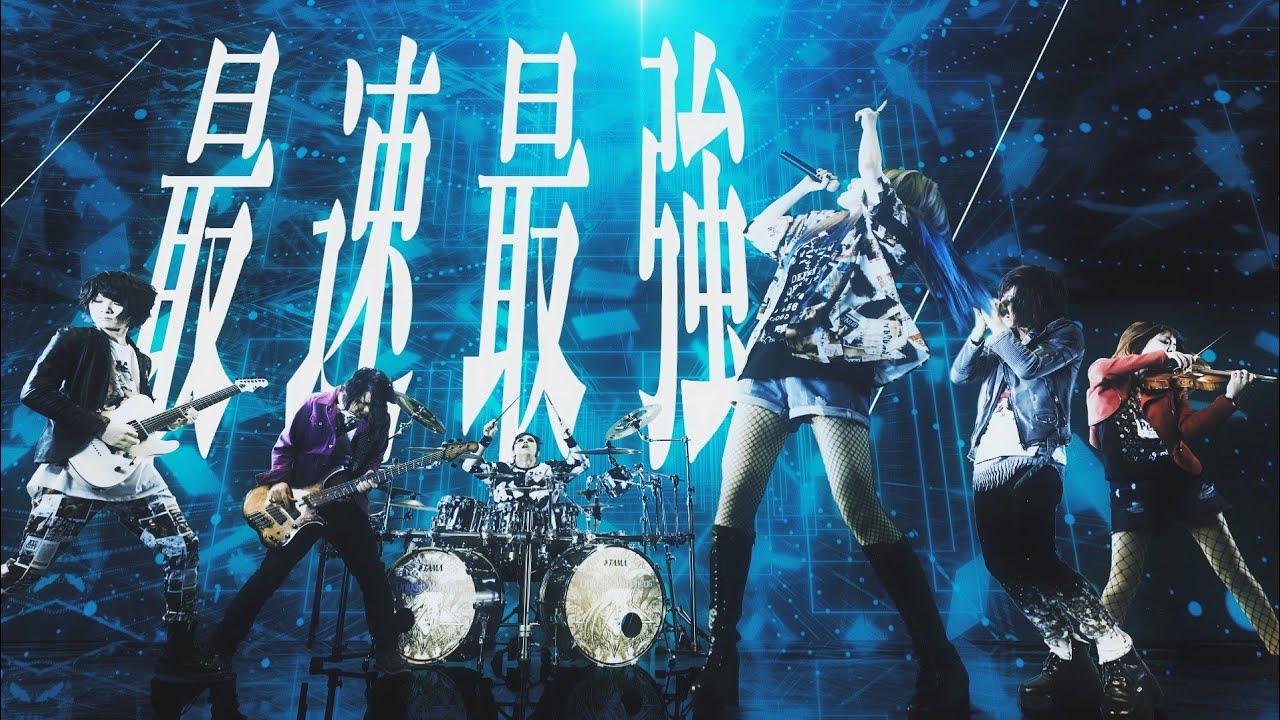
If you want the ultimate proof of their technical synergy, look no further than Quadratum from Unlucky Morpheus.
In 2021, the band released an instrumental sub-unit project titled Loud Playing Workshop. Stripping away the vocals, Quadratum consists of Jinya, Fumiya, Jill (violin), and Hiroyuki Ogawa (bass). This album is essentially a 40-minute showcase of what happens when you let Jinya and Fumiya off the leash.
Covering legendary tracks (including a mind-melting violin-led version of Van Halen’s "Eruption"), Loud Playing Workshop proved that the Jinya/Fumiya axis is the true technical backbone of the band. In these recordings, you can hear how Fumiya anticipates Jinya’s rhythmic shifts. Whether it's a "zigzag" riff or a polyrhythmic bridge, they move as one. This isn't just "playing together"; it's a decade of shared history in the extreme metal scene manifesting as pure virtuosity.
The Technical Breakdown: Jinya vs. Fu-Min
So, what makes them so special as a pair?
- The "Fu-Min" Speed: Fumiya is a former drummer for Galneryus, and his double-kick work is legendary. In Unlucky Morpheus, he doesn't just play fast; he plays with intent. Every snare hit is placed to accentuate Jinya’s down-strokes.
- Jinya’s Precision: Jinya is the "silent assassin" of the guitar. While Shiren often handles the more flamboyant, neoclassical solos, Jinya provides the complex, crushing rhythm work that defines the modern Ankimo sound.
- The Extreme Metal Infusion: Thanks to their history in Undead Corporation and Thousand Eyes, they bring a "death metal" tightness to "power metal" compositions. This is why Ankimo sounds "heavier" than your average symphonic power metal band.
This technical mastery is on full display in the 2026 release Gate of Hell. As a companion to Gate of Heaven, this album dives into darker, more chaotic territory, requiring the rhythm section to be more aggressive than ever before. If you haven't checked out the architectural genius of Shiren behind this album, you’re only getting half the story.
Revelation: The Hidden Gem of the Ankimo Universe
Here is the "Aha!" moment for you: Quadratum isn't a side project.
Think of it as the "Research and Development" wing of Unlucky Morpheus. The technical breakthroughs they make while recording instrumental covers in Quadratum are exactly what allows them to push the boundaries on main albums like Gate of Hell. When you hear a particularly insane drum fill or a perfectly synchronized guitar-and-bass run, there is a high chance it was perfected during a Quadratum session.
For those of us who live for the technical side of J-Metal, Jinya and Fumiya aren't just "the other guys" in the band. They are the titans holding up the entire sky.
Are you ready to witness the legacy yourself?
Pick up your copy of Gate of Hell and hear the technical synergy that only a decade of "Undead" history can produce.