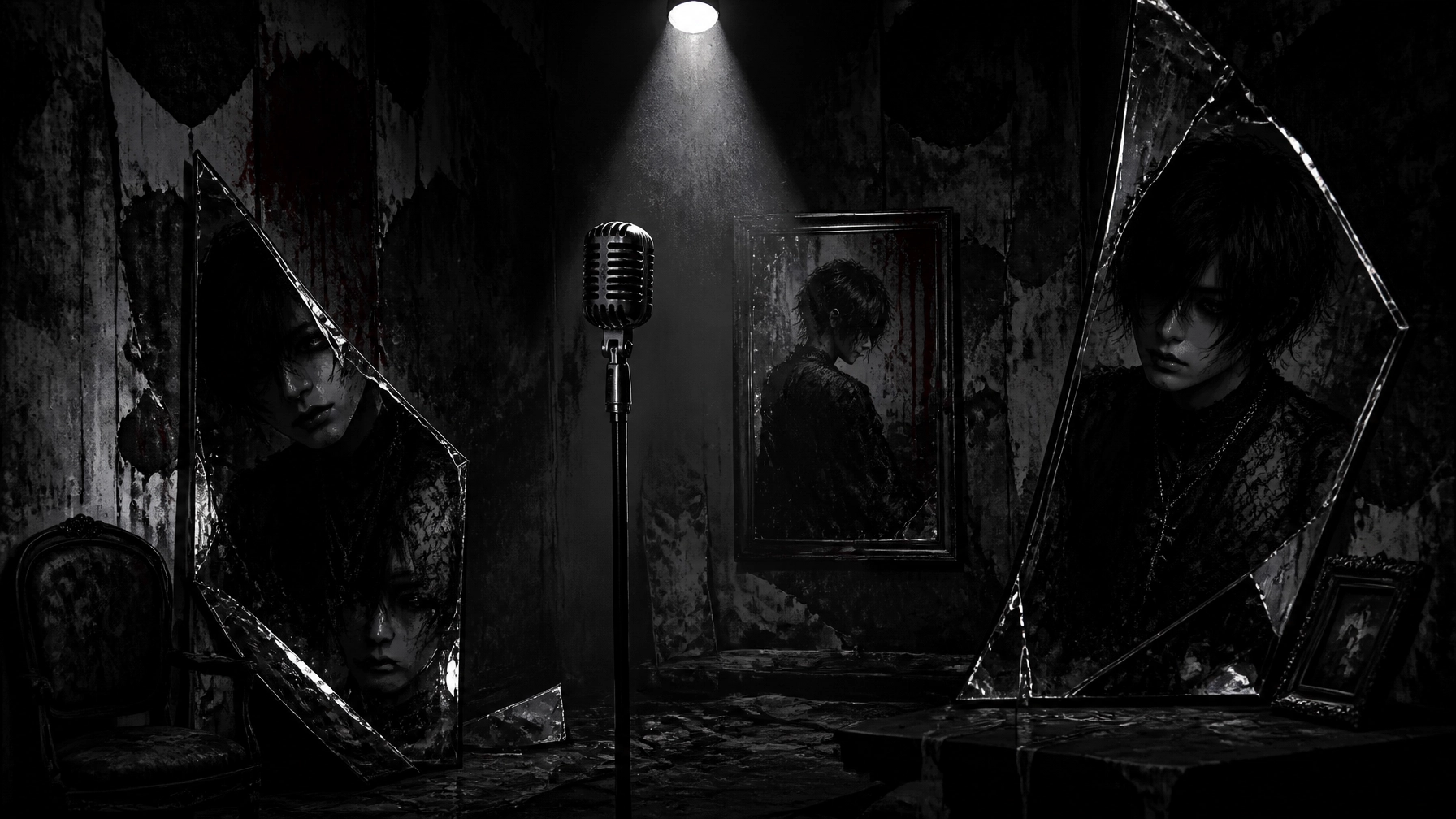
If you want to understand the dark, beating heart of the Nagoya Kei scene, you have to talk about deadman. This isn't just another Visual Kei band. They are the architects of a specific kind of internal horror: a sound that feels like a cold sweat in the middle of the night.
While many fans are drawn to the high-energy idol world of Juice=Juice or the pop perfection of AKB48, there is a whole other side to the Japanese music landscape that thrives in the shadows. Today, we’re diving deep into a cornerstone of that legacy: the track ‘DeAd DreAm’ from the seminal DEAD BOY release. For fans of heavy, atmospheric Japanese rock, this isn't just a song: it's a descent into the subconscious.
The Architects of Nagoya Kei: Origins and Atmosphere
Formed in 2000, deadman emerged from the ashes of the legendary band kein. If you’re a deep-diver into Visual Kei lore, you know that kein was the spark that helped define what "Nagoya Kei" actually meant. When they disbanded, vocalist Mako and guitarist aie carried that torch forward, but with a sharper, more serrated edge.

What is Nagoya Kei?
To understand deadman, you have to understand their geography. In the early 2000s, the Japanese rock scene was largely divided by region:
- Tokyo Scene: Often leaned into "Oshare Kei" (bright, colorful, pop-influenced) or high-concept theatricality.
- Osaka Scene: Known for its more aggressive, experimental, and sometimes humorous "Kote Kote" style.
- Nagoya Scene: Defined by gloom. It was grittier, industrial, and heavily influenced by Western post-punk and grunge.
Deadman quickly became the face of this movement. They stripped away the glitter and replaced it with grit. Their sound is a unique blend of sharp, jagged guitar riffs, deep, stalking basslines, and Mako’s incredible vocal range: which can shift from a fragile, childlike whisper to a soul-shattering scream in a heartbeat.
Spotlight: ‘DeAd DreAm’ and the Fractured Aesthetic
The track ‘DeAd DreAm’: released originally in 2004: is a masterclass in tension. Even the title, with its irregular capitalization, suggests something structurally unsound. It perfectly captures the band's aesthetic: a dream that has not only ended but has rotted from the inside out.
Listen to the official music video while you read: deadman – DeAd DreAm (Official Music Video)
The Sound of Despair
The song opens with aie’s signature guitar work. He doesn't just play chords; he creates textures that feel like barbed wire. The rhythm section provides a heavy, driving force that never lets the listener feel comfortable. It’s "heavy" not just in the sense of volume, but in its emotional gravity.
When Mako begins to sing, he sounds like he is confessing something he shouldn't. The lyrics (as with much of their discography) touch on themes of religious guilt, social alienation, and the slow decay of the human spirit. In the world of deadman, you aren't just listening to a rock song; you’re witnessing an exorcism of the self.

The Metaphor of the ‘DEAD BOY’
In the context of the DEAD BOY release, deadman explores the concept of lost innocence. Mako often uses the "boy" or "child" as a metaphor for the vulnerable self: the part of us that gets broken by the world and never quite heals.
‘DeAd DreAm’ is the soundtrack to that realization. It’s about being biologically alive but psychologically "post-mortem." This theme of internal stagnation is a recurring motif in Nagoya Kei. If you’ve explored our look at the history of Visual Kei rebellion, you know that the genre is built on subverting expectations. deadman took that even further by stripping away the escapism and forcing the audience to look at the darker parts of the human experience: the "monsters in the mirror" rather than the monsters under the bed.
Lyrics and Lore: The 5-Point Resonance
- Sourcing: The DEAD BOY release (2004) remains one of the most sought-after items for collectors of dark rock.
- Visuals: The band’s "look" during this era was deliberately "messy": tattered suits, smudged eyeliner, and a stage presence that felt dangerously unstable.
- Tense: While we talk about the mid-2000s in the past tense, the influence of these songs is very much present in the modern scene.
- Dining Table Prompt: Imagine you’re at a dinner party and someone says Visual Kei is "just for kids." How would you use a song like 'DeAd DreAm' to explain the psychological depth of the genre?
- Specificity: We’re talking about the transition from kein to deadman, a pivotal moment that shifted the trajectory of Nagoya rock for decades.
The Long Hiatus and the 2024 Resurrection
For a long time, deadman was a ghost. After their disbandment in 2006, the members moved on to various projects (aie notably with the god and death stars, gibkiy gibkiy gibkiy, and highfashionparalyze). But the shadow of deadman never truly faded.
Their return to activity in 2019 was met with shockwaves in the community. It wasn't just a nostalgia trip; they were back to finish what they started. This culminated in the 2024 release of 'Genealogie der Moral', their first full album of new material in 19 years.

The modern iteration of deadman still carries that raw, jagged edge, but with a new layer of sophistication. They’ve proven that their brand of dark rock is timeless. You can hear their fingerprints on modern bands like lynch., DEZERT, and even the more experimental side of the Alternative Idol scene.
Mapping the Ecosystem: Why deadman Matters Today
If you’re a newcomer to the scene, ‘DeAd DreAm’ is your entry point. It’s catchy enough to get stuck in your head, but dark enough to keep you awake at night. For those who appreciate the dark art of Visual Kei visuals, deadman remains the gold standard. They didn't need elaborate costumes to be terrifying; they just needed a microphone and a distorted guitar.

At Idol Thoughts, we usually celebrate the high-energy, polished world of J-pop, but there is something deeply cathartic about embracing the gloom of deadman. It reminds us that music isn't just about feeling good: it's about feeling everything, even the parts we'd rather keep hidden.
Are you ready to dive into the dark? What was the first track that made you realize Japanese rock was more than just catchy choruses? Let us know your favorite deadman track in the comments!
I only recommend products I use myself. By clicking my affiliate links below, you help support this channel at no additional charge to you.
Experience the Nagoya Kei sound for yourself: